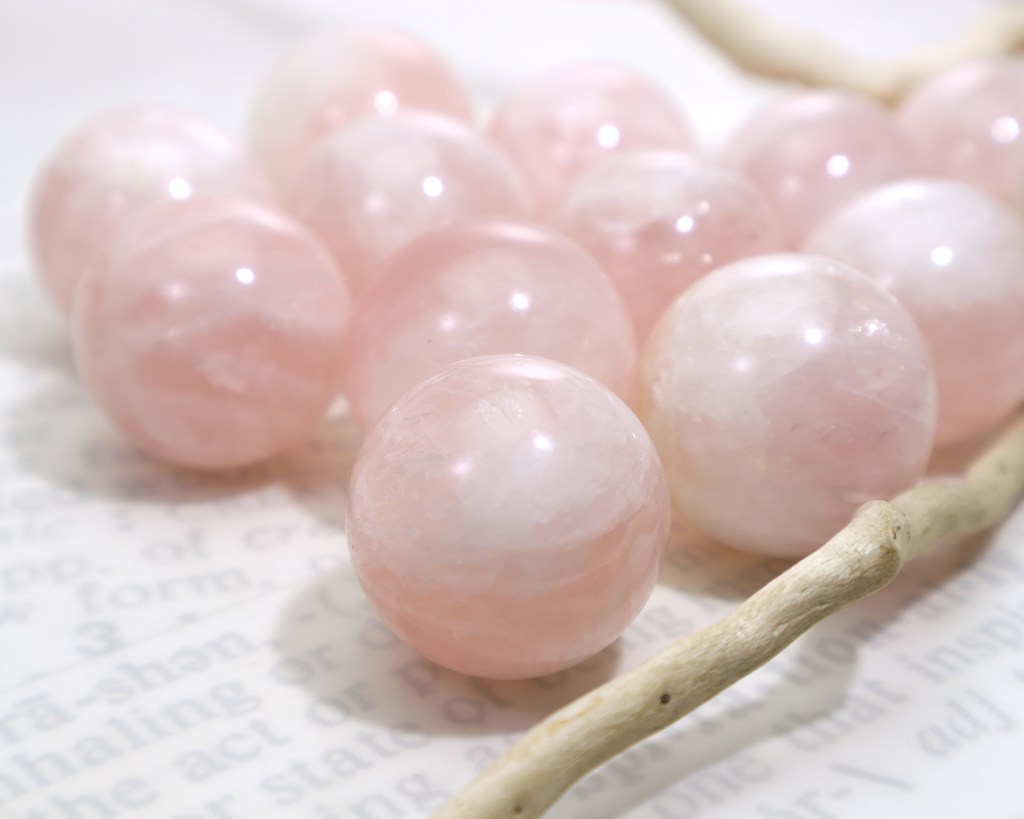
Chakras, Zodiac, Geology and the Power of Gentle Strength
Rose quartz is often called the stone of love, but reducing it to romance misses the deeper story. This is a mineral with both geological complexity and a long metaphysical history.
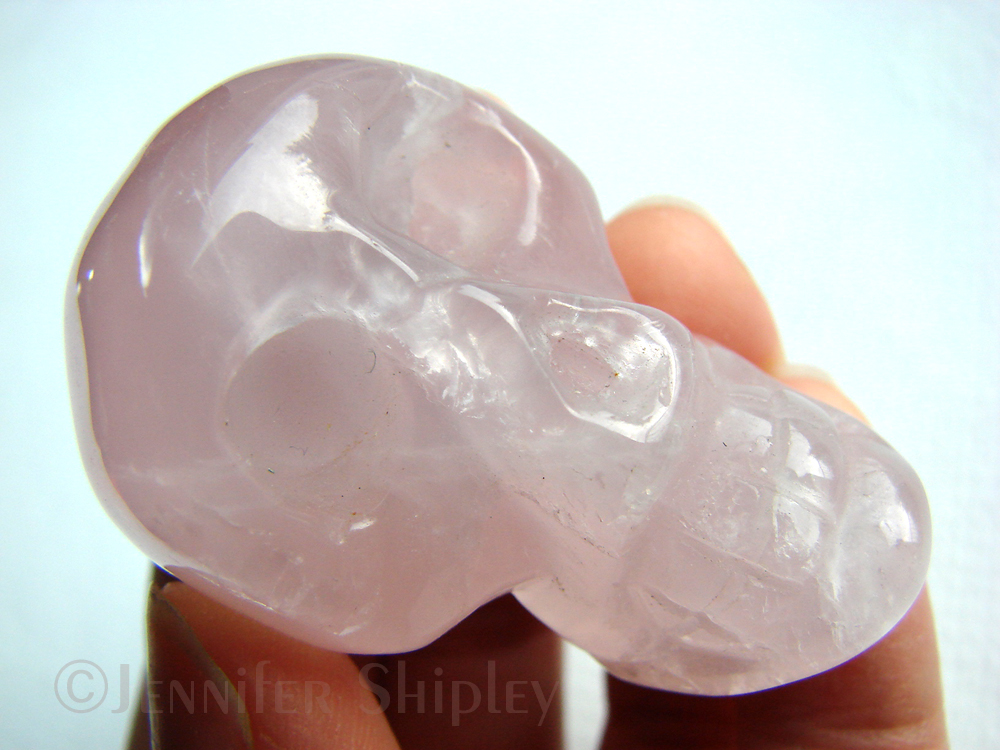
The Geology of Rose Quartz
Rose quartz is a variety of quartz (SiO₂) with a Mohs hardness of 7, making it durable and suitable for spheres, carvings, and jewelry.
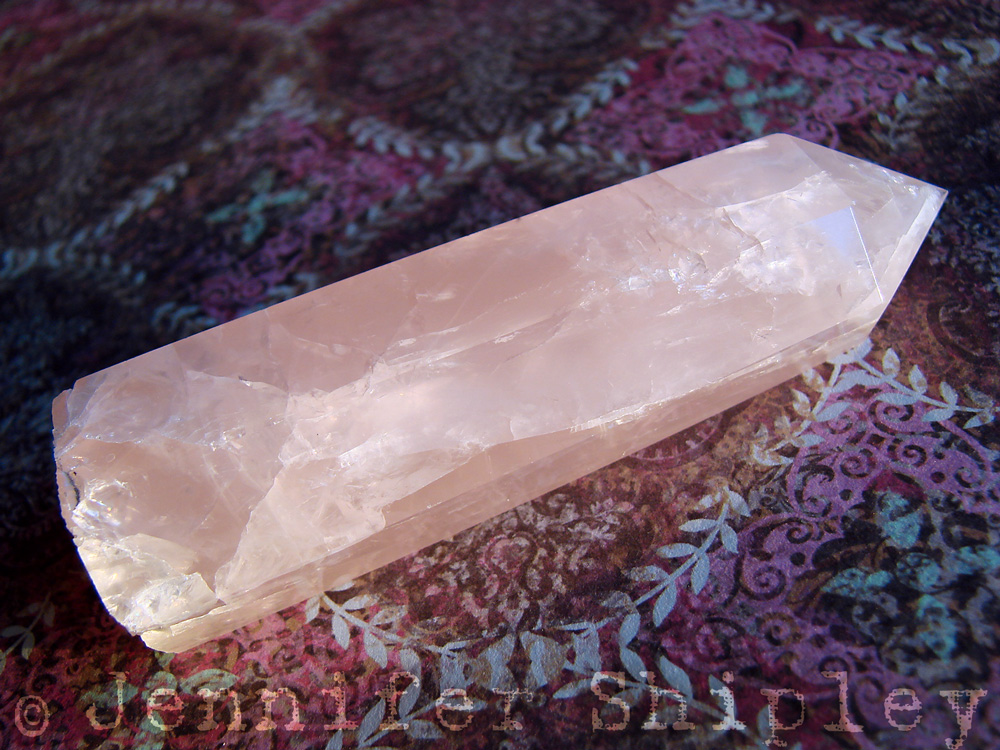
Its pink coloration is typically caused by microscopic fibrous inclusions, often related to dumortierite, or trace elements such as titanium. These inclusions scatter light and give rose quartz its soft internal pink glow.
Natural rose quartz can be:
- Translucent to semi-opaque
- Veiled or clouded
- Occasionally rainbow-bearing
- Light sensitive
Prolonged sunlight exposure can fade its pink tone.
Major sources include Brazil, Madagascar, India, and South Dakota.
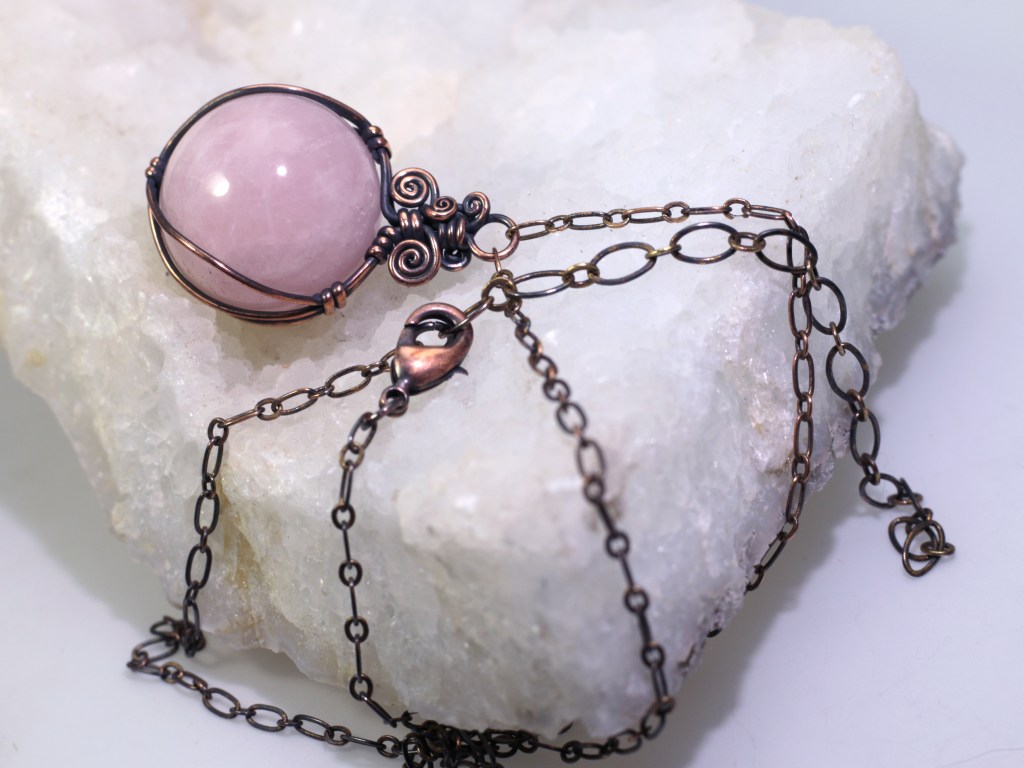
Historical and Cultural Use
Rose quartz has been used since ancient times:
- Assyrians carved it into beads around 7000 BC
- Egyptians associated it with beauty and youth
- Greeks and Romans connected it to love and reconciliation
Its symbolic association with compassion and emotional balance has endured across cultures.
Chakras, Elements and Zodiac
Primary Chakra: Heart (Anahata)
Element: Water
Planetary Correspondence: Venus
Zodiac Associations: Taurus and Libra
Rose quartz supports emotional healing, compassion, and self-acceptance. It works gently rather than forcefully.
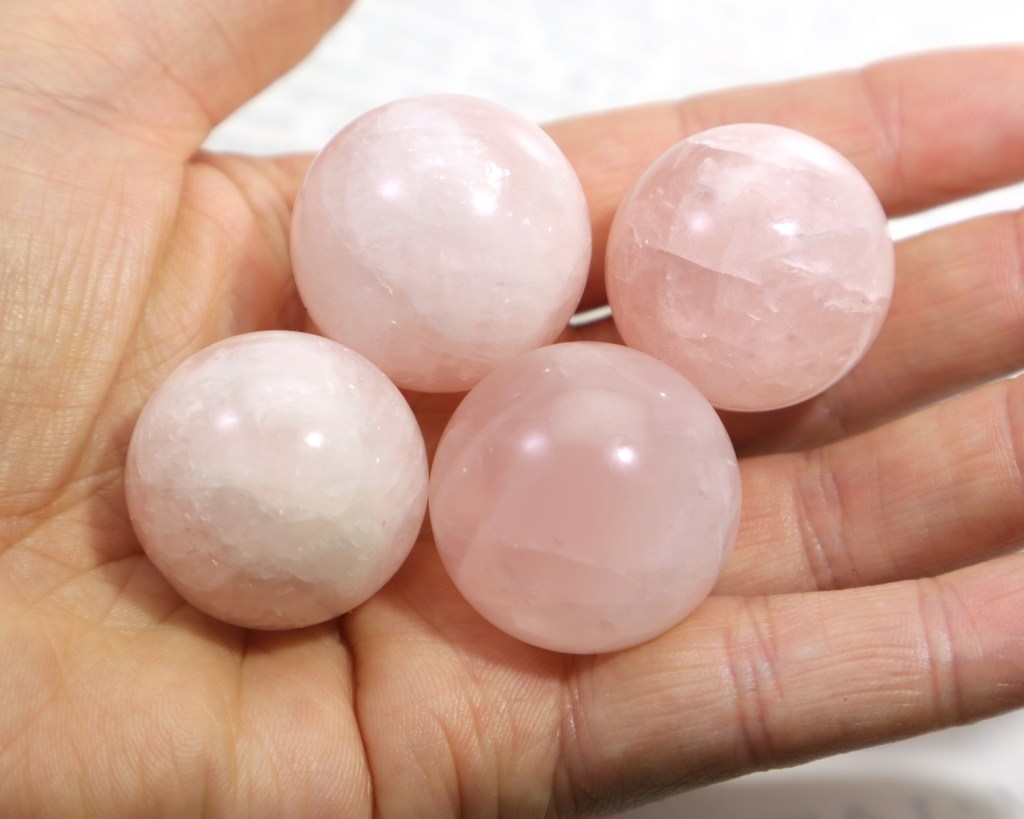
My Experience With Rose Quartz
Rose quartz helps one stay aligned with their true essence. It aids communication with Spirit and The Higher Self. It supports the heart chakra and emotional body, bringing nurturing and universal love. It helps one be more accepting of self and develop inner peace.
In sphere form especially, it feels round and steady. No piercing projection. Just quiet presence.
If some crystals feel like power tools, rose quartz feels like a warm mug of cocoa between your hands.
And honestly, if rose quartz had a personality, it would probably just look at you and say, “Maybe unclench your jaw and take a deep breath.”
Sometimes that’s the whole lesson.
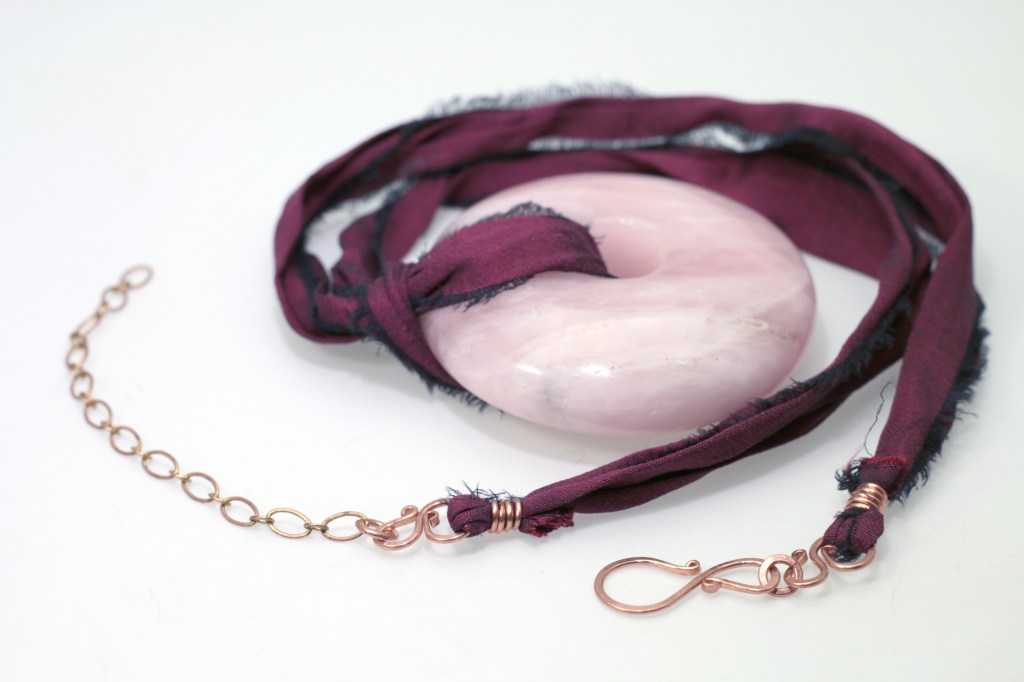
Care Instructions
Because rose quartz is light sensitive:
- Avoid prolonged sun exposure
- Do not use sunlight for cleansing
- Cleanse with selenite, water, or rock salt
- Avoid extreme heat
Final Thoughts
Rose quartz is not rare. It is not flashy. It is not dramatic.
But it has endured across cultures for thousands of years for a reason.
There is power in gentleness.
There is strength in softness.
There is stability in love that does not need to perform.
And sometimes the most underestimated stones are the ones that quietly hold the most space.
Explore my Gemstone Guides page for more information on rocks and minerals, how they form and their metaphysical properties.
 Art, Jewelry & Gemstones | DoodlepunkArt